


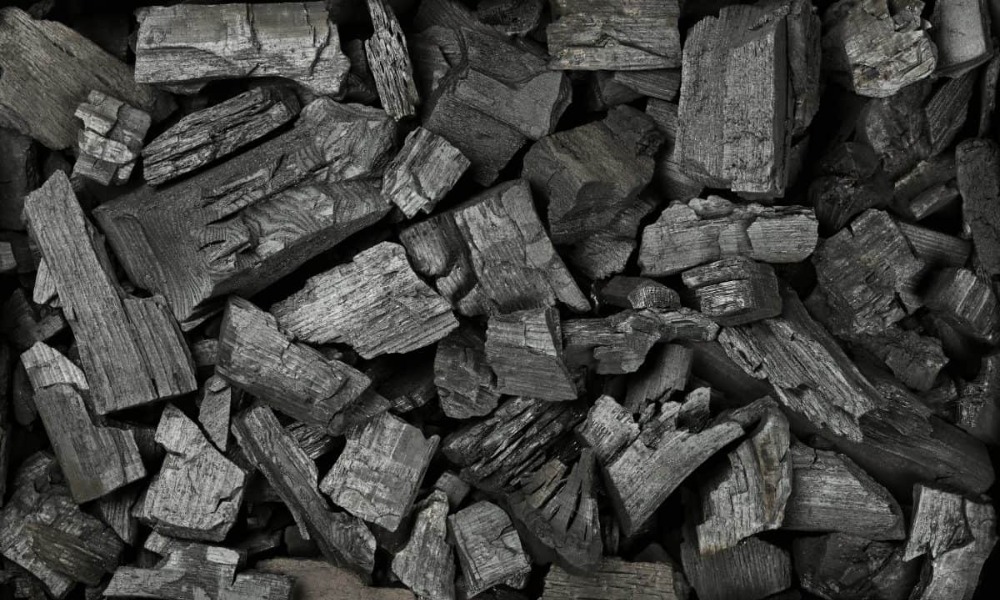
Artificial coal or coal briquettes are typically made by compressing pulverized coal or coal dust along with a binding agent into solid blocks or briquettes. These briquettes can be used as a fuel source for heating and cooking, similar to traditional coal.
The advantages of artificial coal or coal briquettes may include:
Efficient combustion: Similar to natural coal, artificial coal has a high energy content, which means it can provide a significant amount of heat when burned. It can be used as a reliable and efficient fuel source for various applications.
Ease of handling and storage: Coal briquettes are often uniform in shape and size, making them easier to handle, transport, and store compared to loose coal. They can be stacked and stored more efficiently, reducing logistical challenges.
Reduced environmental impact: Depending on the manufacturing process, artificial coal briquettes may have lower sulfur and ash content compared to some types of natural coal. This can result in reduced emissions of sulfur dioxide and particulate matter when burned, potentially leading to lower air pollution.
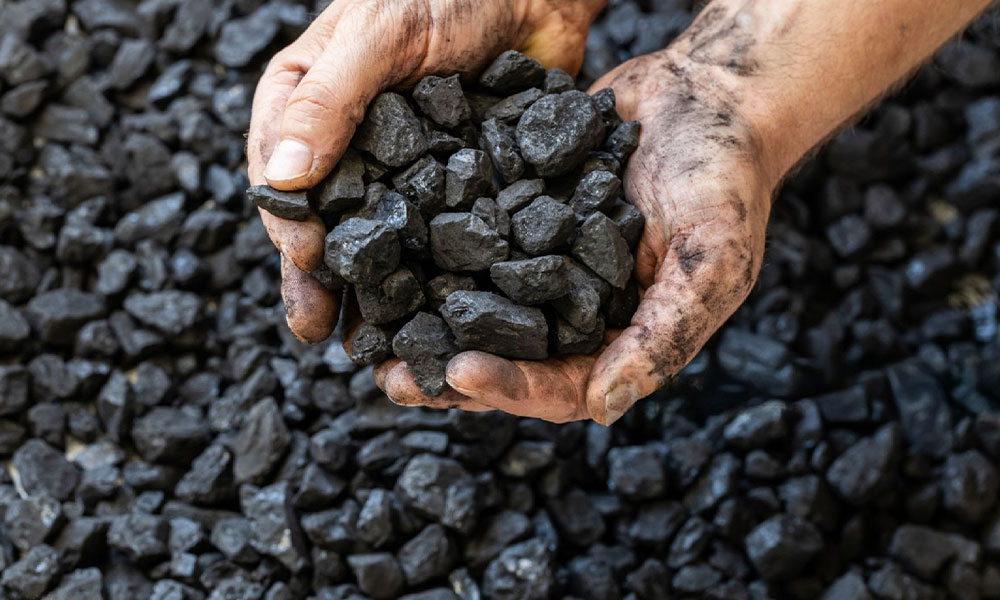
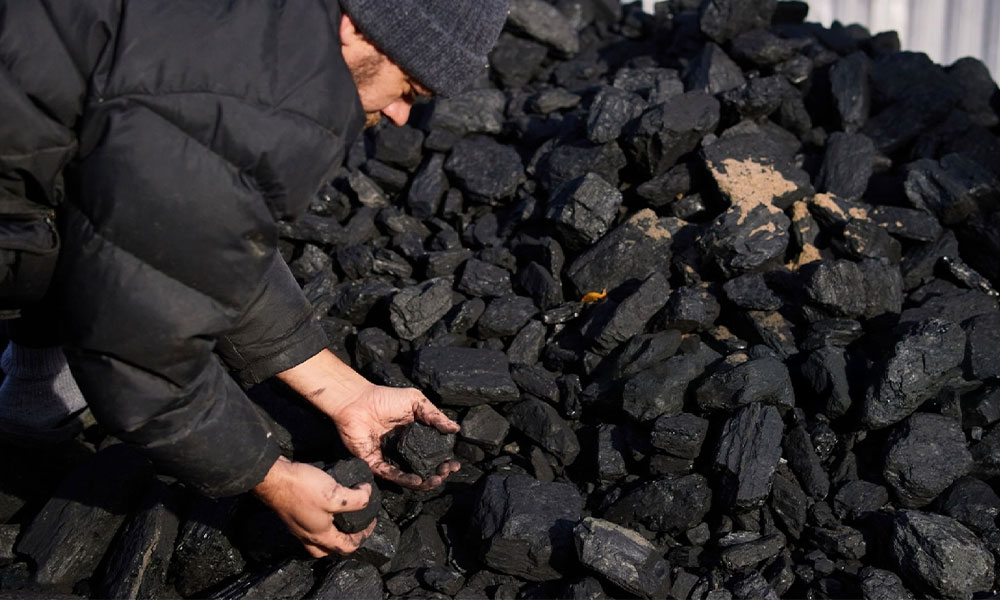
Utilization of coal waste: The production of artificial coal briquettes can be a way to utilize coal waste or by-products from mining or industrial processes. This can help reduce waste and optimize resource utilization.
However, it’s important to note that the production of artificial coal may still have environmental implications, such as the emission of greenhouse gases during the manufacturing process. Additionally, the overall sustainability and environmental impact of artificial coal would depend on the specific production methods and the sources of the coal used.